Abstract Perfection Backgrounds: A Smart Choice for Creative Projects
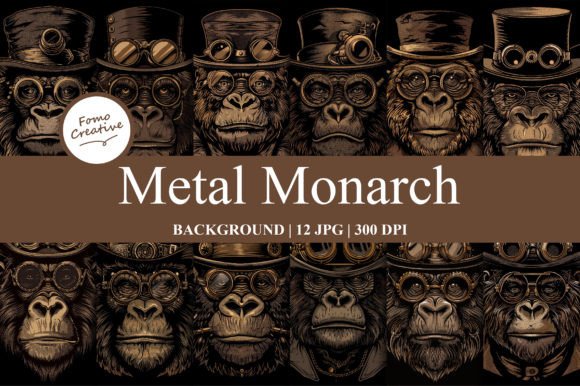
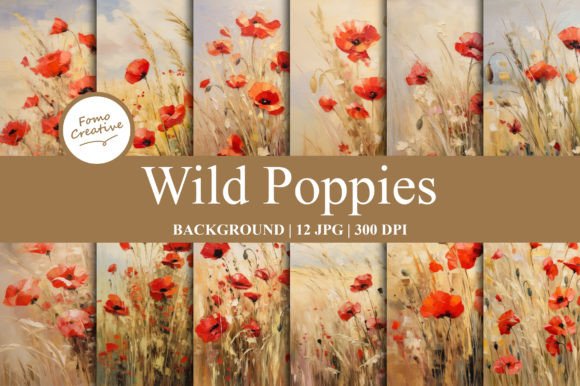
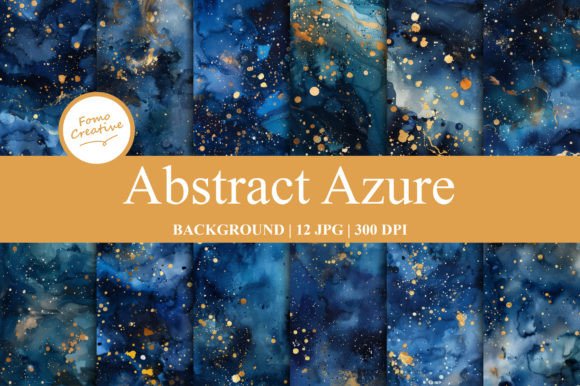
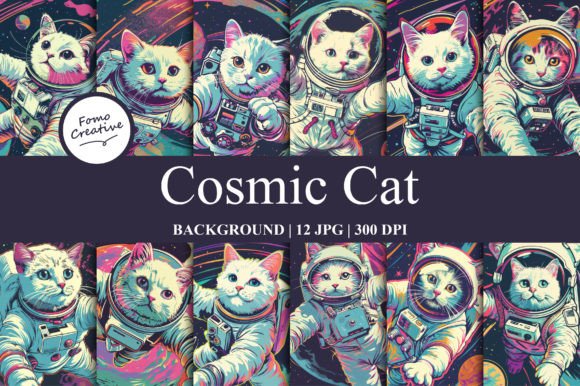
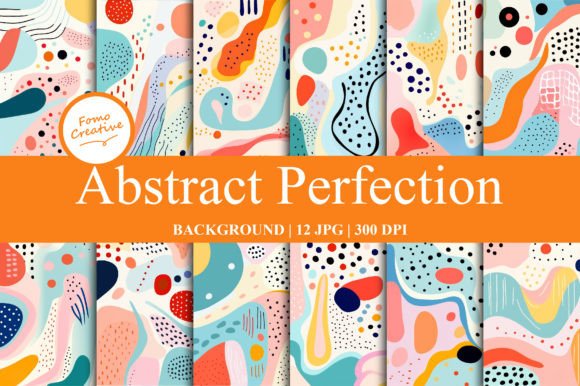
Abstract Perfection Backgrounds are high-quality digital paper backgrounds that offer a blend of artistry and practicality. Designed with a focus on abstract motifs, these backgrounds provide an elegant way to elevate the visual appeal of various design projects. Whether you're creating invitations, website headers, posters, or scrapbooking pages, these versatile files can save time while enhancing your creative output.
Why Choose Abstract Perfection Backgrounds?
These digital backgrounds are crafted to meet the needs of both beginners and seasoned professionals. They feature intricate textures, vibrant colors, and artistic patterns that stand out without overpowering the content they support. The 12 JPG files included in each download are optimized for instant use across multiple platforms and devices.
What makes Abstract Perfection Backgrounds particularly appealing is their high-resolution quality (300 DPI), ensuring sharp and professional results whether viewed online or printed. This makes them ideal for use in both digital marketing materials and physical products like greeting cards or event flyers. Additionally, the absence of watermarks or logos in the final images ensures a clean, polished look for any project.
Common Mistakes When Choosing Digital Backgrounds
One common mistake users make is selecting a background without considering its compatibility with their specific project. For example, using a highly detailed abstract pattern as the backdrop for a website might distract from important text or buttons. Always think about how the background will interact with the foreground elements—will it complement or compete?
- Mistake: Ignoring file format requirements.
Digital design tools often have specific preferences for image types. If you're working in Adobe InDesign or Photoshop, ensure the background format supports layering and transparency if needed. While JPGs are great for most purposes, some situations may call for PNGs or other formats.
- Mistake: Assuming all printers will display the same colors.
Colors on your screen may not always translate accurately when printed. Monitor settings, printer calibration, and even lighting conditions can affect color perception. Before printing anything, test a small sample to verify that the background appears as intended.
- Mistake: Not checking the resolution before downloading.
While Abstract Perfection Backgrounds are offered at 300 DPI, which is excellent for print and high-quality displays, it's still wise to confirm this matches your project's needs. Some web-based designs don't require such high resolution, but others do—especially if they'll be used in presentations or printed brochures.
How These Mistakes Can Impact Your Work
Poorly chosen or improperly applied backgrounds can significantly reduce the effectiveness of your design. An overly busy background may make text hard to read or cause important elements to blend in rather than stand out. Similarly, mismatched resolutions can lead to blurry or pixelated images, especially when scaled up for print or large screens.
Color inconsistencies between digital and physical outputs can also undermine professionalism. Imagine spending hours designing a beautiful invitation card only to see it printed in a slightly different hue than what was displayed on your monitor. This could lead to customer dissatisfaction or a less-than-ideal presentation.
Practical Tips to Avoid Errors
To avoid these issues, start by understanding your project's purpose and medium. Are you designing for print or digital? What is the primary message you want to convey? Answering these questions helps guide your choice of background.
- Check the resolution and file type.
Ensure the background meets your project’s technical requirements. For printables, 300 DPI is standard. For web use, sometimes 72 DPI is sufficient. Also, consider if you need transparent areas or layered elements, which may require a different file format.
- Test colors before committing.
If you plan to print your work, run a test print on your own printer or request a proof from a professional print service. This allows you to catch color discrepancies early and adjust as needed.
- Balance complexity and simplicity.
Choose an abstract background that complements your content. For instance, if you’re designing a minimalist poster, go for a subtle texture. On the other hand, a bold geometric background could add just the right amount of energy to a festive flyer.
Realistic Examples and Better Approaches
Let’s say you're a blogger preparing a new post layout. You find an abstract background with vivid gradients and complex shapes. Instead of using it full-screen, try applying it as a textured overlay behind your featured image or sidebar. This approach maintains the aesthetic while keeping the layout functional and easy to navigate.
Another scenario involves a small business owner creating holiday-themed packaging. Rather than picking the first abstract background available, take time to match the style with the brand identity. A warm-toned floral abstract might suit a boutique selling handmade candles, whereas a sleek, modern geometric pattern would better fit a tech startup’s product box.
Incorporate Abstract Perfection Backgrounds into your workflow by using them as templates. For example, if you're making printable thank-you cards, place the background in a document and build your design around it. This ensures consistency and reduces the need for custom artwork every time.
Key Considerations Before Downloading
Before purchasing or downloading Abstract Perfection Backgrounds, consider the following factors to maximize usability and satisfaction:
- Device Compatibility: Make sure the background looks good on all devices where it’ll be viewed. Test it on mobile phones, tablets, and desktops if applicable.
- Project Scope: Think about how many times you’ll reuse the background. Since there are no cutting files included, it's best suited for flat designs rather than layered or cut-out projects.
- License Terms: Confirm the usage rights. Knowing whether the background is for personal or commercial use prevents legal issues later on.
- File Size: High-resolution images can be large. Check your device and software limitations to ensure smooth performance during editing and rendering.
Maximizing Value with Abstract Perfection Backgrounds
Because these are digital products, you get instant downloads, which is perfect for time-sensitive projects. However, it’s important to organize your downloaded assets properly. Create a dedicated folder for digital papers and back them up regularly to prevent accidental loss.
Also, remember that these files are not one-size-fits-all. Experiment with scaling, rotating, and blending options to tailor the background to your needs. Many graphic design tools allow you to adjust opacity or apply filters, which can help integrate the background more seamlessly into your composition.
For Beginners: Start Simple
If you're new to using digital paper backgrounds, begin with straightforward applications. Try adding a single background to a social media post or a PowerPoint slide. Observe how it affects readability and overall aesthetics. As you gain confidence, explore more complex uses like combining multiple abstract patterns or integrating them into layered compositions.
For Professionals: Streamline Your Workflow
Experienced designers can benefit from using Abstract Perfection Backgrounds as part of a pre-built template system. Store them in a resource library and pair them with fonts, icons, and branding elements that align well. This saves time and keeps your creative process efficient, especially when working on tight deadlines or bulk design tasks.
Final Thoughts on Choosing the Right Backgrounds
Abstract Perfection Backgrounds offer a valuable tool for anyone looking to enhance their digital creations. By avoiding common pitfalls and taking a thoughtful approach to selection and application, you can achieve professional, visually pleasing results. Always prioritize clarity and purpose in your design choices—let the background support your message, not overshadow it.
Whether you're a crafter, marketer, educator, or entrepreneur, investing time in choosing the right background pays off in terms of both efficiency and impact. Use these tips to make informed decisions and unlock the full potential of your design projects with ease and confidence.