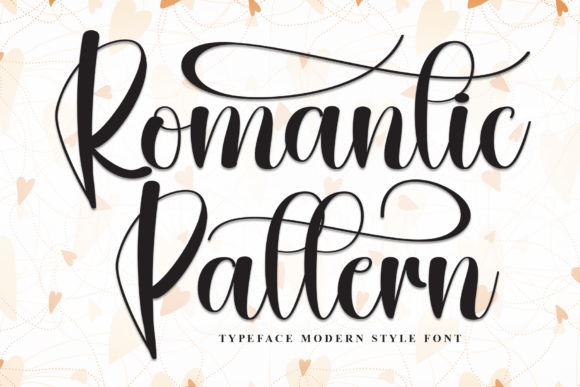
How Romantic Pattern Can Elevate Your Design Strategy with Elegance and Purpose
Using Romantic Pattern to Support Communication and Customer Experience
Typography influences how people perceive your message. Romantic Pattern, when applied correctly, can enhance the tone and clarity of your communication across multiple platforms.
- Wedding Invitations: Its soft curves and romantic feel make it perfect for creating a sense of anticipation and celebration.
- Thank You Cards: A handwritten look can add authenticity and gratitude to your message, reinforcing positive relationships with clients or guests.
- Quotes and Greeting Cards: When sharing inspirational quotes or holiday greetings, this font brings a personal touch that resonates emotionally.
- Business Cards: Especially for small business owners in creative fields, using Romantic Pattern can signal uniqueness and style.
The key is to use it intentionally. Pair it with simpler, more legible fonts for body text to maintain readability. For example, combining Romantic Pattern with a modern sans-serif font like Montserrat or Lato can create balance while still emphasizing your brand's personality.
Practical Use Cases Across Industries
Romantic Pattern finds its place beyond traditional design settings. Educators might use it in motivational posters for students, bloggers to highlight key takeaways, or freelancers to personalize client deliverables. In each case, the font contributes to a stronger emotional response and more memorable presentation.
- Event Planning: Use Romantic Pattern in event themes or social media graphics to evoke romance and exclusivity.
- Content Creation: Highlight quotes or testimonials in blog posts or newsletters to draw readers’ attention to impactful statements.
- Product Packaging: Incorporate it into labels or tags for handmade products, adding a layer of charm and individuality.
- Customer Onboarding: Personalize welcome notes or email signatures with a handwritten feel to build trust and connection.
Planning Thoughtful Typography Integration
Here are some planning tips to ensure it serves your goals effectively:
- Define the purpose: Ask yourself what you want to communicate. Is it warmth? Sophistication? A personal touch?
- Consider legibility: Script fonts may not always be the best choice for long paragraphs or dense text. Save Romantic Pattern for headlines, titles, and short phrases.
- Test in different formats: See how it looks on print materials versus digital screens. Sometimes a font that appears elegant in print doesn’t translate well online.
- Align with brand guidelines: Ensure it complements your existing color palette, imagery, and overall design language.
Decision-Making Guidance: When to Rely on Romantic Pattern
Use Romantic Pattern when your content needs to reflect a human touch or emotional depth. This includes:
- Personalized thank-you notes
- Wedding stationery and announcements
- Handwritten-style quotes for social media or print
- Logo taglines or signature elements
- Creative project names or headers
On the other hand, avoid using it for:
- Body text in reports or presentations
- High-traffic websites with lots of reading
- Signage that needs quick readability
- Documents requiring formal compliance (e.g., legal contracts)
Make sure your decision to include Romantic Pattern is rooted in strategy, not aesthetics alone. Consider whether the font enhances your message or distracts from it. If it helps you connect with your audience in a meaningful way, it’s worth exploring further.
Long-Term Positioning and Brand Consistency
Font consistency is crucial for building brand recognition. If you choose to feature Romantic Pattern in your brand assets, ensure it remains consistent in usage across all touchpoints. This builds familiarity and reinforces your brand identity over time.
For long-term results, think about how the font will scale. Will it still look good on smaller mobile screens? How does it perform in grayscale or black-and-white prints? These questions help you future-proof your design choices and maintain effectiveness as your brand evolves.
Operational Tips for Creative Professionals
- Layer it with visuals: Combine it with watercolor backgrounds, floral accents, or soft gradients to enhance its romantic appeal.
- Use sparingly: Apply it only to key elements rather than entire compositions to preserve clarity and focus.
- Optimize file sizes: If using it in web design, ensure it’s properly optimized to prevent loading issues.
- Check licensing: Always verify that you have the right to use Romantic Pattern commercially, especially if you're working with clients or selling products.
Enhancing Productivity Through Purposeful Design
While creativity is essential, productivity relies on efficient tools and repeatable systems. If you're frequently using Romantic Pattern in your work, invest in templates or presets that streamline its application. This ensures you maintain quality without sacrificing speed.
Designers who incorporate Romantic Pattern into their workflow often report higher client satisfaction due to the font’s ability to convey care and customization. By having ready-to-use assets featuring the font, you can quickly adapt to new requests while staying true to your brand voice.
Potential Risks and Mitigation Strategies
Despite its beauty, Romantic Pattern carries risks if used without clear intent. One common issue is reduced accessibility—script fonts can be harder for some users to read, especially those with dyslexia or visual impairments. To mitigate this, always pair it with accessible fonts and provide alt text or captions when necessary.
Another risk is inconsistency. If you switch between several script fonts like Romantic Pattern, you risk confusing your audience and diluting your brand identity. Stick to one or two fonts and use them consistently across platforms to build a cohesive visual language.
Finally, there’s the danger of overuse. Just because a font is beautiful doesn’t mean it should dominate every design. Balance is key. Let Romantic Pattern shine where it matters most and keep it subtle elsewhere.