Insurance and the Elegance of Script Fonts: A Perfect Blend for Modern Design
Understanding the Role of Insurance in Everyday Life
Insurance is a cornerstone of modern life, offering protection against unforeseen events that could lead to financial loss. Whether it's health, home, auto, or business insurance, these services provide individuals and organizations with peace of mind by mitigating risks. At its core, insurance is a contract between an individual and an insurer, where the latter agrees to cover certain losses in exchange for regular payments—commonly known as premiums.
The concept of insurance dates back centuries, but its relevance has only grown stronger in today’s fast-paced world. From safeguarding personal assets to ensuring business continuity, insurance plays a vital role in risk management. It helps people recover from accidents, illnesses, property damage, and even unexpected death. In essence, insurance allows us to plan for the future with confidence, knowing that we have a safety net in place.
Types of Insurance and Their Significance
- Health Insurance: Covers medical expenses and ensures access to healthcare services.
- Home Insurance: Protects homeowners against damage or loss due to natural disasters, theft, or other incidents.
- Auto Insurance: Provides coverage for vehicle-related damages, liability, and other driving-related risks.
- Life Insurance: Offers financial support to dependents after the policyholder's death.
- Business Insurance: Shields companies from various operational risks like lawsuits, property loss, and employee injuries.
Each type serves a unique purpose, yet they all share the common goal of reducing uncertainty and providing stability. In both personal and professional contexts, understanding the right kind of insurance can make a significant difference in managing financial security effectively.
Introducing the Style of Script Fonts in Design
In the realm of design, typography is more than just text—it’s an art form that conveys emotion, personality, and elegance. One such typographic style that has gained immense popularity is the script font. These fonts mimic handwritten cursive styles and are often used to add a personal, artistic, or luxurious touch to visual content.
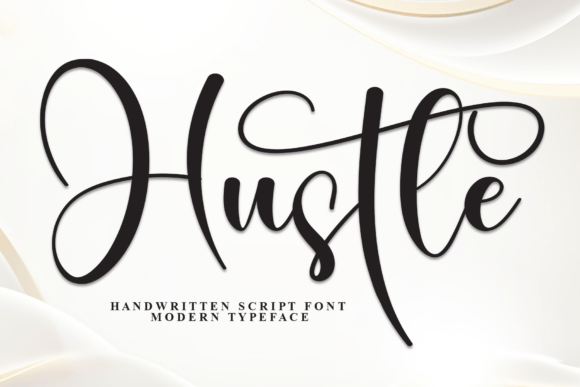
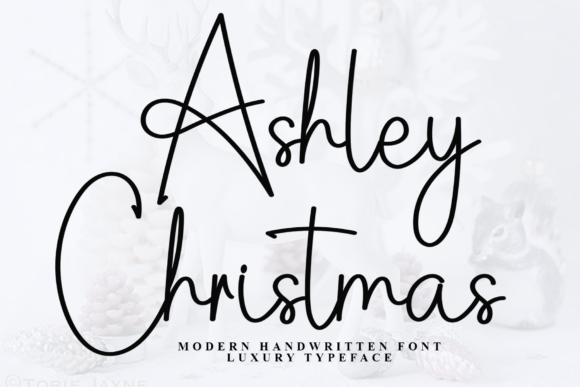
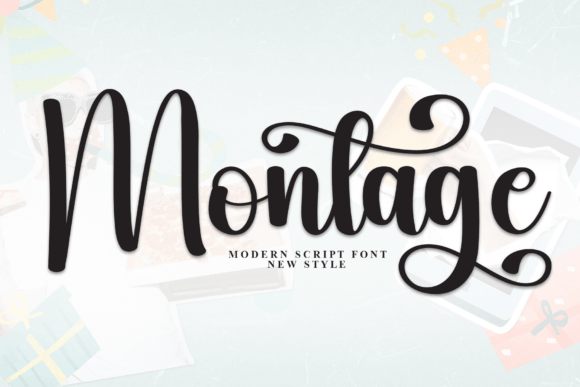
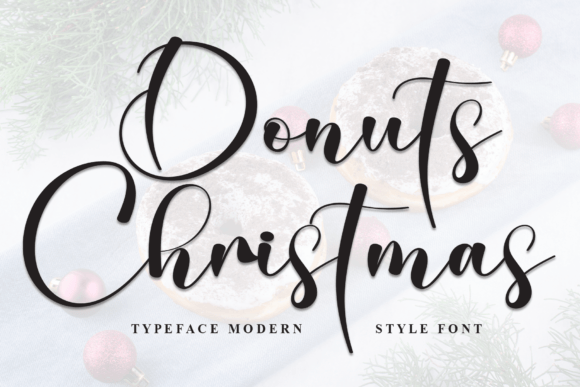
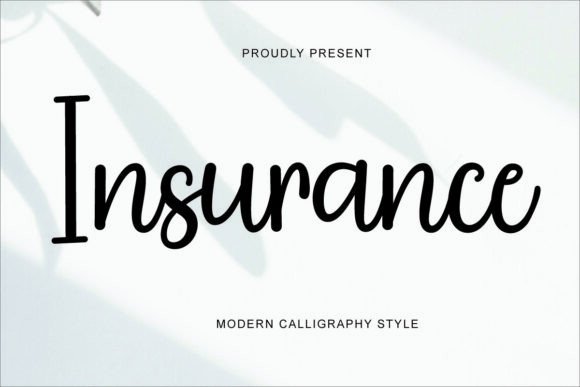
Script fonts vary widely in appearance, from delicate and flowing to bold and dramatic. They are especially favored in creative industries, where aesthetics play a crucial role in communication. When choosing a script font, designers look for balance between legibility and visual appeal. This brings us to one standout option: Insurance is a stylish and very elegant script font, which combines sophistication with clarity.
Why Choose an Elegant Script Font Like "Insurance"?
The “Insurance” script font is not just another pretty typeface—it's a versatile design tool that enhances the visual impact of any project. Its clean lines and refined curves give it a timeless quality, making it ideal for a wide range of applications. Here are some key reasons why this font stands out:
- Elegance: The font exudes grace and sophistication, perfect for high-end designs.
- Legibility: Despite being a script, it maintains excellent readability, even at smaller sizes.
- Versatility: Works well across multiple platforms and print mediums without losing its charm.
- Professional Appeal: Adds a polished and premium feel to branding and marketing materials.
Where Can You Use the "Insurance" Script Font?
With its blend of beauty and functionality, the "Insurance" script font is a favorite among graphic designers and creatives. Below are some popular use cases where this font shines:
Wedding Invitations
Nothing says romance like a beautifully crafted wedding invitation. The "Insurance" script font adds a sense of grandeur and intimacy to your event details. Its elegant strokes and soft curves evoke a classic yet modern aesthetic, making it a top choice for couples who want their invitations to reflect their personal style and the significance of the occasion.
Thank You Cards and Greeting Cards
Handwritten-style fonts like "Insurance" are perfect for thank you cards and greeting cards. They convey sincerity and warmth, helping to create a more personal connection with the recipient. Whether it's a birthday card, holiday message, or appreciation note, using an elegant script font elevates the overall design and makes the sentiment feel more heartfelt.
Quotes and Motivational Designs
When designing quotes for social media, posters, or digital banners, the font you choose can influence how the message is received. The "Insurance" script font is particularly effective for inspirational quotes, poetry, or motivational phrases. Its fluidity and character allow each word to flow seamlessly, drawing attention and encouraging engagement.
Logos and Branding
Many businesses use script fonts to establish a brand identity that feels personal, trustworthy, and upscale. For example, luxury fashion brands, boutique hotels, and artisanal product lines often incorporate elegant script fonts into their logos. The "Insurance" font fits perfectly in these scenarios, helping to communicate a sense of exclusivity and professionalism.
Business Cards and Stationery
Even in the digital age, physical business cards remain a powerful networking tool. Using a stylish script font like "Insurance" on your business card can set you apart and leave a lasting impression. It suggests creativity, class, and attention to detail—all qualities that can enhance your professional image.
How to Integrate the "Insurance" Font into Your Projects
Whether you're a seasoned designer or just starting out, integrating the "Insurance" script font into your work is straightforward. Here are some tips to help you get the most out of this beautiful typeface:
- Pair Wisely: Combine it with a clean sans-serif or serif font to maintain contrast and balance in your design.
- Use Sparingly: Script fonts can be overwhelming if overused. Reserve them for headlines, names, or accents.
- Adjust Spacing: Because of its decorative nature, ensure proper letter spacing to avoid cluttered text.
- Consider Color: Lighter shades or metallic tones often complement the elegance of script fonts best.
- Test Legibility: Always check how the font looks when printed or viewed on different devices before finalizing your design.
Tools and Platforms for Using "Insurance"
You can find the "Insurance" script font on various platforms like Adobe Fonts, Google Fonts, or independent font marketplaces such as Creative Market and MyFonts. Once downloaded, it can be used in design software like Adobe Illustrator, Photoshop, or Figma. For web designers, embedding the font through CSS allows it to appear consistently across websites and online portfolios.
Beyond Aesthetics: The Practical Relevance of Typography
While the beauty of the "Insurance" script font is undeniable, it's important to remember that good typography goes beyond just looking nice. It communicates tone, influences perception, and guides the viewer’s attention. In the context of insurance, typography plays a subtle yet critical role in branding and customer experience.
For instance, insurance companies often use fonts that convey trustworthiness and reliability. However, when it comes to marketing collateral, promotional materials, or event-based designs (like insuring a high-profile wedding), using a font like "Insurance" can add a layer of sophistication and emotional appeal that aligns with the brand's premium positioning.
Common Misconceptions About Script Fonts
Despite their popularity, there are several misunderstandings about script fonts. One common belief is that they are only suitable for formal or romantic occasions. While they certainly excel in those areas, script fonts like "Insurance" can also be adapted for more casual or contemporary designs with the right styling and context.
Another misconception is that all script fonts are difficult to read. With thoughtful design choices, such as avoiding overly ornate characters and maintaining consistent line weight, script fonts can be both visually appealing and easy to decipher.
Insurance and Creativity: Bridging Two Worlds
It might seem unusual to pair insurance—a practical and often serious topic—with something as whimsical as typography. But in reality, the two fields intersect in meaningful ways. Just as insurance protects against uncertainty, a well-chosen font can protect a design from feeling generic or uninspired.
Designers in the insurance industry often use elegant fonts to build trust and convey professionalism. Yet, when creating promotional content, client communications, or branded merchandise, they may turn to script fonts like "Insurance" to add a human touch and differentiate their messaging from competitors. This blend of function and form highlights how creativity can enhance even the most traditional sectors.
Real-World Examples of the "Insurance" Script Font
To better understand the versatility of the "Insurance" script font, let’s explore a few real-world examples:
- Wedding Invitation Design: A couple uses the "Insurance" font for the title and venue name, paired with a minimalist sans-serif for supporting details. The result is a sophisticated yet readable layout that impresses guests.
- Brand Logo for a High-End Jewelry Store: The store incorporates the "Insurance" font into its logo, emphasizing craftsmanship and exclusivity. The font complements the brand’s aesthetic and reinforces its image as a luxury retailer.
- Motivational Poster for a Wellness Company: A quote about self-care is displayed in the "Insurance" font, giving the poster a calming and elegant vibe. This helps the company connect emotionally with its audience.
Why Context Matters When Choosing a Font
Choosing the right font is not just about preference—it’s about context. The "Insurance" script font works best in settings where elegance and personalization are key. That said, it's essential to consider the audience and the purpose of your design. For example, while it might be perfect for a luxury brand’s website header, it may not be the best choice for body text in a legal document or technical manual.
Good design involves knowing when to use what. Script fonts should typically be reserved for titles, logos, or accents rather than large blocks of text. This rule ensures that your design remains both beautiful and functional.
Combining Functionality and Beauty in Design
Modern design trends increasingly emphasize the importance of blending form and function. The "Insurance" script font exemplifies this trend by offering both visual appeal and usability. Its smooth curves and balanced structure make it easy to integrate into a variety of layouts, while still standing out as a premium design element.
This dual focus on beauty and utility is especially relevant in today’s digital-first world, where first impressions matter. A well-designed piece with the right typography can capture attention and communicate value instantly—something that resonates deeply in marketing, branding, and creative projects alike.
Final Thoughts: Elevating Communication Through Thoughtful Design
Insurance is a vital aspect of modern life, helping individuals and businesses navigate uncertainty with confidence. Meanwhile, typography like the "Insurance" script font offers a way to express creativity and professionalism through visual storytelling. Together, they represent the power of combining practicality with aesthetics to create impactful messages.
As technology continues to evolve, so does our ability to craft engaging, memorable content. Whether you're designing a wedding invitation, a business logo, or a motivational quote, the right font can elevate your work and leave a lasting impression. And with the "Insurance" script font, you’re not just adding style—you’re adding substance.
If you're interested in exploring this elegant font further, visit reputable font marketplaces to see how it can transform your next project. Remember, great design isn’t just about looking good—it’s about connecting with your audience in a meaningful way.