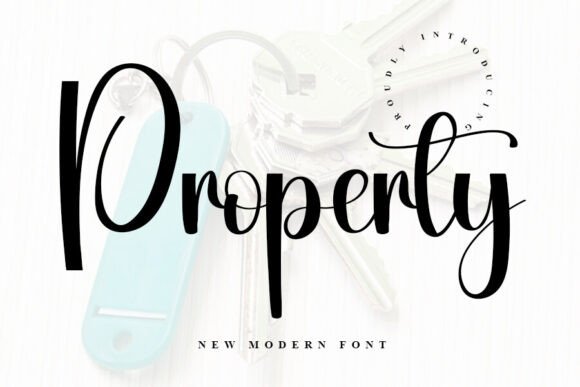
Property Font: A Modern Choice for Vibrant and Elegant Design Projects
In the ever-evolving world of design, typography plays a crucial role in capturing attention and conveying brand identity. One font that has recently gained popularity among designers is Property. Known for its balance between charm and clarity, this typeface offers a fresh perspective on modern design needs, especially in digital artworks like YouTube banners, cover logo mockups, wedding invitations, and ID cards. Let’s explore what makes Property stand out and how it fits into your creative toolkit.
What Is the Property Font?
The Property font is a versatile sans-serif typeface designed to blend simplicity with visual appeal. It features clean lines, slightly rounded edges, and subtle character spacing that enhances readability without sacrificing style. This font is particularly suited for designs where legibility and aesthetic presence are both important—whether you’re crafting a bold social media banner or a delicate wedding invitation.
Developed with both digital and print applications in mind, Property is optimized for use across various platforms. Its scalable design ensures it looks crisp at any size, from tiny text labels to large headline displays. The font includes a wide range of glyphs, punctuation marks, and multilingual support, making it adaptable for international projects or diverse audiences.
Key Features That Define Property
- Vibrant Visuals: Property brings an energetic tone to designs through its dynamic structure and open counters, which make it visually engaging without being overwhelming.
- Elegant Simplicity: Despite its lively appearance, the font maintains a sense of refinement, especially when used in formal contexts like invitations or professional branding materials.
- High Readability: The consistent stroke weight and well-proportioned characters ensure that Property remains easy to read even at smaller sizes.
- Modern Sophistication: Its contemporary look aligns well with current design trends, offering a sleek alternative to traditional serif fonts.
Why Choose Property Over Other Fonts?
When selecting a font for your project, it's essential to consider not just aesthetics but also functionality. Many designers opt for fonts like Montserrat, Raleway, or Lato for similar purposes. While these are excellent choices, they often lean more towards minimalism or geometric rigidity. Property, by contrast, introduces a gentle warmth and approachable personality that can help humanize your message.
For instance, if you're creating a YouTube banner that aims to attract a younger audience, Property can offer a modern yet inviting feel. Similarly, in flayer designs or craft projects, its distinctive charm adds a touch of creativity that stands out in crowded spaces.
Strengths and Limitations of Using Property
One of the primary strengths of Property is its adaptability. Whether you're working on digital assets or print-based designs, the font retains its integrity and impact. It works particularly well in logos and branding elements due to its balanced proportions and strong visual hierarchy. For example, using Property in a cover logo mockup allows the text to become the focal point while complementing other graphical elements seamlessly.
However, no font is perfect for every situation. While Property excels in many areas, it may not be the best fit for highly detailed or intricate typographic compositions. Its relatively simple form could clash with overly complex illustrations or patterns. Additionally, although it supports a broad range of languages, it may lack some specialized glyphs needed for very niche or academic uses.
Best-Fit Situations for Property
Here are several scenarios where Property shines:
- Digital Branding: Ideal for websites, app interfaces, and online banners where a modern and friendly tone is desired.
- Event Invitations: Especially effective for wedding invitations, where elegance meets personalization.
- Creative Flayers and Flyers: Adds visual interest and clarity to promotional materials that need to grab attention quickly.
- ID Cards and Business Materials: Offers a professional look that still feels welcoming and accessible.
- Craft and DIY Projects: Perfect for handmade greeting cards, signage, or custom packaging that benefits from a unique yet readable font.
How Property Compares to Common Alternatives
Many sans-serif fonts share similarities with Property, but their differences can significantly impact the final outcome of your design. Consider the following comparisons:
Property vs. Montserrat
Montserrat is another popular sans-serif known for its geometric shapes and high contrast. While it’s excellent for bold headlines and urban-themed projects, it can sometimes appear too rigid or cold compared to Property’s softer curves and more approachable feel. If your goal is to create something warm and inviting, Property might be the better choice.
Property vs. Playfair Display
Playfair Display is a serif font with a more ornate and classic look. It’s great for luxury brands or literary content but doesn’t match Property’s versatility in digital environments. When you need a modern, minimalist option with a hint of sophistication, Property offers a more balanced solution than heavier serif alternatives.
Property vs. Open Sans
Open Sans is widely used for its neutrality and readability. However, it lacks the stylistic flair that Property provides. In projects where you want to add character without compromising clarity—like designing a logo for a boutique or a local event—Property delivers a more memorable impression.
Practical Tips for Working with Property
To get the most out of Property, here are some practical tips:
- Pair with Complementary Styles: Use Property alongside more decorative fonts for headings or accents to maintain balance and visual interest.
- Consider Color Contrast: Since the font has a clean and open structure, it pairs well with bright colors or gradients that pop against the background.
- Use Weight Variants Strategically: Property typically comes with multiple weights (light, regular, bold), so leverage them to create depth and emphasis within your layout.
- Avoid Overuse: Like all fonts, Property should be used thoughtfully. Too much text in one weight can reduce impact; vary styles for better visual flow.
When to Consider Alternatives to Property
While Property is a strong contender for many design applications, there are situations where it may not be the optimal choice. For instance:
- If you're working on a design that requires high typographic complexity, such as a book layout or long-form document, a more neutral and structured font may be preferable.
- If your brand voice leans heavily toward traditional or vintage aesthetics, a serif font might align better with your goals.
- For large-scale signage or public-facing communication, consider testing Property at different sizes to ensure legibility in real-world conditions.
In these cases, exploring options like Roboto, Merriweather, or even hand-drawn scripts could yield better results depending on the context.
Final Thoughts on Choosing Property
Choosing the right font involves understanding your audience, your medium, and your message. Property is a standout option for those who want a font that balances modernity with elegance. It’s particularly useful for digital artwork, branding, and event-related materials where a clean yet expressive typeface is needed.
By evaluating your specific design requirements and considering the tone you wish to convey, you can determine whether Property is the ideal font for your next project. Remember that the best font is not always the trendiest one—it’s the one that serves your purpose and resonates with your intended users.