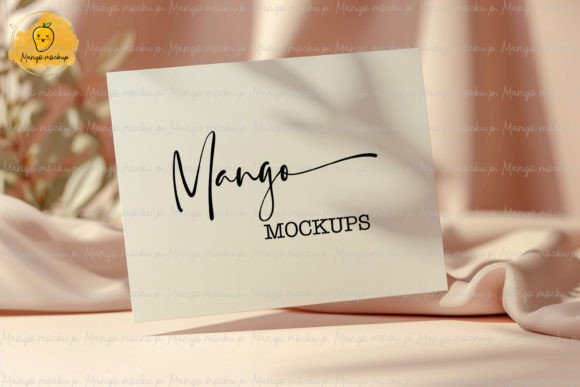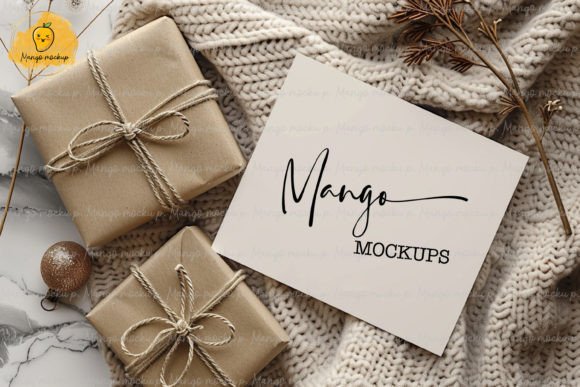
White Greeting Card: A Simple, Versatile Design Tool
When it comes to visual communication, the right design can make all the difference. The White Greeting Card is a clean, elegant digital asset that offers endless possibilities for personal and professional use. As a high-resolution JPG file (3750x3000 pixels at 300 DPI), it provides exceptional clarity and detail, making it ideal for both print and digital applications. This article explores how this versatile illustration can enhance your creative projects, marketing materials, educational content, and more.
What Makes the White Greeting Card Unique?
The White Greeting Card is not just any greeting card—it's an artistic rendering designed with flexibility in mind. Unlike photographs, which are limited by real-world settings, this image is a carefully crafted illustration. Its minimalist white color palette allows it to blend seamlessly into various themes and color schemes. Whether you're looking for something subtle or want to add bold accents, the neutral base of this card gives you complete control over its final appearance.
Key Features and Benefits
- High Resolution: With dimensions of 3750x3000 pixels and 300 DPI, the card is suitable for both large-format printing and high-quality digital displays.
- No Watermarks or Text: The downloaded file is clean and ready for immediate use—no distractions, no alterations needed before implementation.
- Licensed for Personal and Professional Use: You can freely incorporate the card into your own designs, presentations, or branding efforts without legal concerns.
- Commercially Friendly: It’s a great addition to promotional materials, social media posts, product packaging, or website banners when used under the terms provided.
Why Choose an Illustration Over a Photo?
Illustrations like the White Greeting Card offer several advantages over stock photos. They are easier to customize, maintain consistency across different platforms, and often reflect a more stylized or symbolic approach. For example, if you're designing a line of wedding invitations, using an illustrated greeting card ensures a cohesive look without worrying about background clutter or lighting inconsistencies found in real photos.
Practical Applications Across Industries
The beauty of the White Greeting Card lies in its adaptability. Here are some scenarios where it could be particularly useful:
Marketing and Branding
For marketers and entrepreneurs, this card can serve as a placeholder or sample graphic in campaigns related to stationery, greeting cards, or event planning. Imagine showcasing a new line of custom greetings on your website or in a brochure. Using the White Greeting Card helps visualize how your product might look once personalized, without revealing client-specific details yet.
Graphic Design Projects
Designers will appreciate the card’s blank canvas-like quality. It can be layered with text, logos, or other graphics to create unique visuals for clients. Because it’s an illustration, it integrates smoothly with vector-based designs and works well in both modern and traditional aesthetics.
Event Planning and Invitations
Event planners often need to present ideas visually. Including the White Greeting Card in proposals or mockups gives clients a clear idea of what the final product could look like. It also serves as a helpful tool when explaining layout options, font choices, or decorative elements that can be added later.
Educational and Instructional Materials
Teachers and educators can use the card in lesson plans or student assignments. For instance, when teaching about typography, students can experiment with adding their own messages to the card, exploring how fonts, spacing, and colors affect readability and emotional impact.
Bloggers and Content Creators
Blogging about design, creativity, or small business tips? The White Greeting Card makes a great visual aid. Use it to demonstrate how simple elements can convey complex messages, or as part of a tutorial on graphic design software like Photoshop or Canva.
Digital Marketing and Social Media
On platforms like Instagram or Pinterest, visual appeal is key. The White Greeting Card can act as a backdrop for lifestyle shots, product demos, or even user-generated content prompts. Encourage followers to imagine their names or messages on the card, then tag your brand for a chance to win a free download—this kind of engagement strategy boosts interaction and visibility.
How to Make the Most of Your Digital Download
Since the White Greeting Card is a digital-only product, understanding how to use it effectively is crucial. Here are a few tips to help you get started:
- Plan Your Layout: Before editing, sketch out how you plan to use the card. Will it feature text, icons, or other graphics? Having a rough layout saves time during the design process.
- Use Layer Styles for Flexibility: If you’re working in Adobe Photoshop or Illustrator, place the card on a separate layer. This allows you to adjust contrast, saturation, or even apply textures without altering the original image.
- Experiment with Color Gradients: Don’t be afraid to play with gradients or overlays. Even though the card is white, adding a soft gradient can give it depth and make it stand out in your design.
- Optimize for Different Platforms: Resize the card appropriately depending on where it will appear. A full-size version may be perfect for print, but for web use, consider compressing it slightly while maintaining quality.
Real-World Examples and Use Cases
Let’s take a closer look at how others have successfully integrated the White Greeting Card into their work:
- A boutique stationery shop used the card in a carousel of product examples on their homepage. Each slide showed the same card with different holiday-themed text and decorations, helping customers visualize customization options.
- An influencer created a “DIY Greeting Card” video tutorial using the White Greeting Card as a template. Viewers followed along as she demonstrated how to add calligraphy, floral borders, and handwritten notes digitally.
- A nonprofit organization incorporated the card into their fundraising campaign. By showing a blank card next to a message like “Send Hope,” they encouraged donors to contribute to sending customized cards to hospital patients.
Pro Tip: Pair with Typography Tools
To maximize the card’s potential, pair it with tools like Google Fonts or Adobe Typekit. These resources allow you to explore a wide range of typefaces that match your project’s tone—whether it’s formal, playful, romantic, or minimalist. The right font can elevate the card from a generic design to a powerful communication piece.
Considerations When Selecting and Using the Card
While the White Greeting Card is highly adaptable, there are a few things to keep in mind to ensure it meets your needs:
- Intended Output Format: Determine whether you’ll be printing the card or using it online. Print requires attention to bleed areas and resolution, while digital use benefits from optimized file sizes.
- Consistency in Branding: If you're using the card for multiple projects, ensure that it aligns with your brand style guide. Maintain consistent fonts, colors, and layouts across all materials.
- File Management: Store the card in a clearly labeled folder. Keeping your assets organized helps streamline future design projects and avoids unnecessary downloads.
Final Thoughts on Usability and Value
In today’s fast-paced world, having access to high-quality, customizable illustrations is a significant advantage. The White Greeting Card is a prime example of how a simple design can serve many purposes. From enhancing your portfolio to supporting client presentations, it’s a valuable tool for anyone who communicates visually.
If you're a freelancer, marketer, educator, or hobbyist, this card can simplify your workflow and improve the professionalism of your output. Its versatility means you won’t need to source multiple images for similar concepts, saving you both time and money.
Remember, the card is part of a digital zip file—so always check your download folder and verify the file integrity before beginning your project. Once you've got it, let your creativity lead the way.